If you want a second home in Naples that feels effortless when you arrive and stress-free when you leave, Old Naples is often at the top of the list. You are likely looking for more than a pretty interior or a nice view. You want a condo that works well for seasonal living, stays manageable while you are away, and fits the rhythm of downtown Naples. Let’s dive in.
Why Old Naples Fits Lock-And-Leave Living
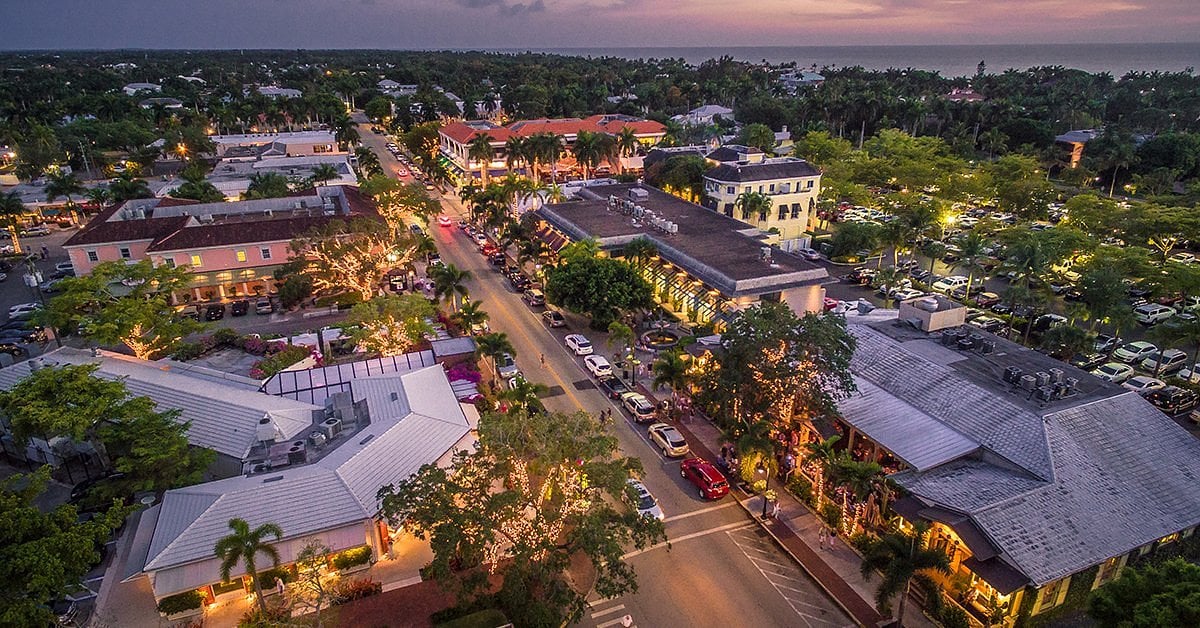
Old Naples stands out because it supports a more walkable lifestyle than many other areas. City planning materials identify Old Naples as a distinct neighborhood within 34102 and highlight priorities like pedestrian crossings, sidewalks, and downtown mobility. For you, that can mean easier access to dining, errands, and short local trips without feeling overly dependent on your car.
Old Naples also includes a wide mix of older and newer buildings. Because of that, building age, maintenance history, and how the association handles upkeep can matter just as much as updated finishes inside the unit. In a coastal market, the right building can be as important as the right floor plan.
What Makes a Condo Truly Easy to Leave
A lock-and-leave condo is not just a smaller home. It is a property that keeps life simple when you are in town and avoids extra friction when you are away for weeks or months. The most useful features are usually practical, not flashy.
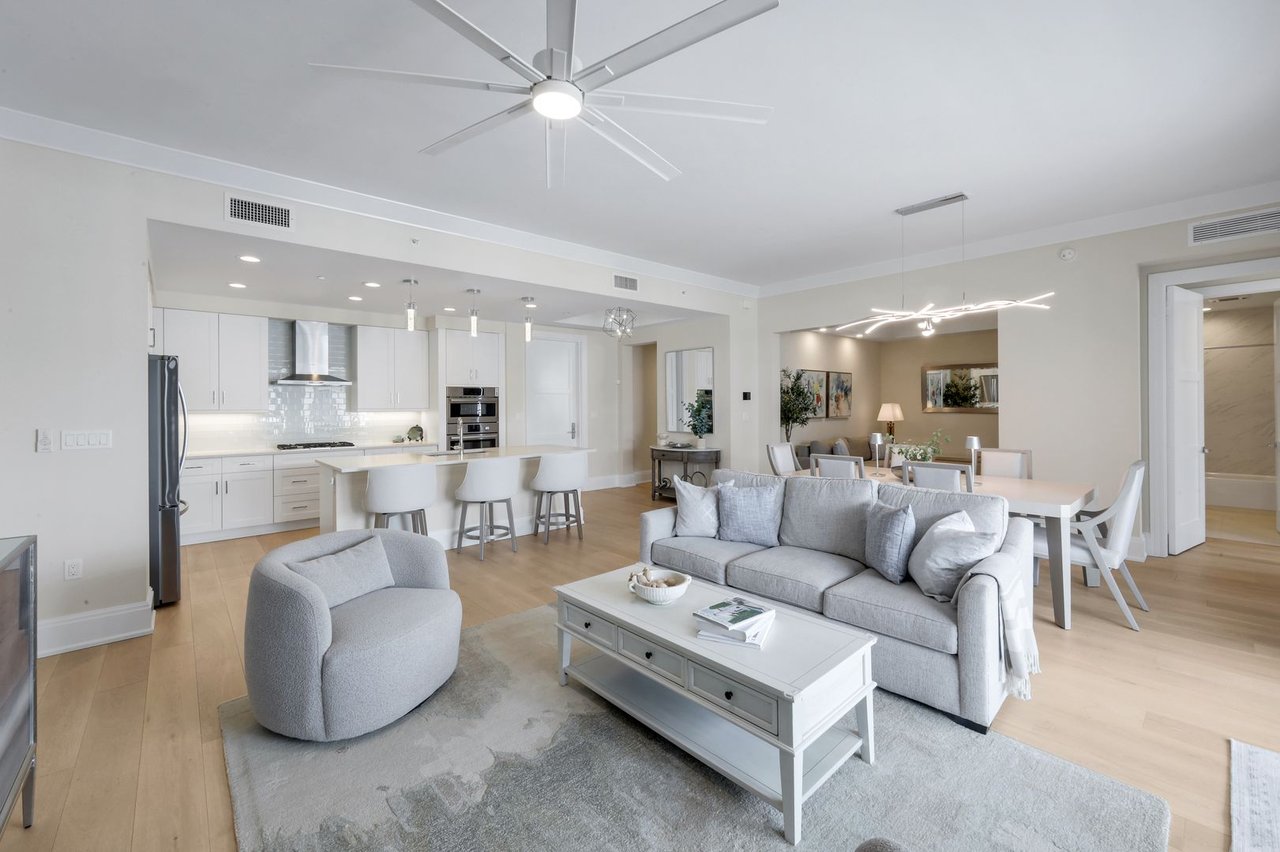
Look closely at how the unit lives day to day. A split-bedroom layout can make hosting easier, while seasonal storage helps keep the home organized. A lanai or balcony that is easy to secure before travel also makes a difference.
Arrival and departure should feel simple too. Pay attention to the path from your parking space or garage to the unit, especially if you are arriving after a flight with luggage or groceries. It is also wise to ask how the building handles mail, package delivery, and guest access while you are out of state.
Smart Features to Prioritize
- Guest-friendly or split-bedroom layouts
- Easy shut-down routines before travel
- Storage that works for seasonal use
- Secure outdoor space such as a lanai or balcony
- Simple parking and unit access after arrival
- Clear systems for mail, packages, and guest entry
Building Age and Flood Review Matter
In Old Naples, you will see a mix of long-established buildings and newer construction. That variety is part of the appeal, but it also means you should compare buildings carefully. A beautifully renovated unit in an older building may still require close review of the building’s maintenance history and future capital needs.
Flood-zone review should also be part of your search for any coastal condo. The official source for flood-hazard information and flood-zone lookups is FEMA’s Map Service Center, as noted in the research. This step can help you better understand location-related risk before you move too far into a purchase.
Understand Maintenance Responsibility First
One of the biggest questions for seasonal owners is simple: who takes care of what when you are gone? Under Florida Statute 718.113, the association is generally responsible for common-element maintenance, while some limited-common-element duties may be assigned to unit owners through the declaration. That means the answer can vary from one building to another.
For a lock-and-leave buyer, that detail is critical. You should ask who handles shutters, impact glass, window and door maintenance, and storm preparation if you are not in Naples when weather approaches. The smoother those responsibilities are defined, the easier ownership usually feels.
Questions to Ask About Upkeep
- Are windows and exterior doors owner or association responsibilities?
- Who is responsible for shutters or hurricane protection?
- How is storm prep handled for absent owners?
- Are balconies or lanais maintained by the association or the unit owner?
- Which AC components, if any, are owner responsibilities?
Storm Readiness Should Be Part of the Decision
In Southwest Florida, storm readiness is not a side issue. It is part of choosing the right condo. Florida law requires hurricane-protection specifications, and condo boards may install or require code-compliant hurricane protection using the required procedures.
It is also important to understand what can happen during a declared emergency. Under Florida’s emergency-powers statute, boards may meet electronically, reschedule meetings, shut down elevators or security systems if needed, require evacuation, levy emergency special assessments, and borrow money for emergency repairs if operating funds are not enough. For a part-time owner, those powers can directly affect how a building functions in a storm event.
Ask practical questions, not just legal ones. You want to know whether the building has backup power, what the elevator downtime plan looks like, and how owners receive updates if they are out of state. The goal is to understand how the building performs under pressure, not just how it looks on a sunny showing day.
Review Inspections and Reserve Health Carefully
Structural safety is now a central part of condo due diligence in Florida. Buildings that are three habitable stories or more must receive milestone inspections by age 30 and every 10 years after that. The structural integrity reserve study, often called a SIRS, must cover key components such as the roof, structure, fireproofing, plumbing, electrical, waterproofing, windows and exterior doors, along with other deferred maintenance items over $25,000 that negatively affect those systems.
These are not small details for a lock-and-leave buyer. Structural inspection reports and reserve studies are part of the official records and must be provided to potential purchasers. If the reserve study shows a funding gap, the association may need special assessments or borrowing to meet the funding schedule.
This is where a condo search becomes very building-specific. Two properties with similar finishes and similar asking prices can offer very different ownership experiences if one building has stronger reserves, more current inspections, and fewer looming repair costs.
Due Diligence Checklist for Buildings
- Confirm whether the building is subject to milestone inspection requirements
- Ask for the latest inspection summary
- Request the most recent reserve study
- Review the history of reserve contributions
- Ask whether the building has had special assessments
- Compare deferred maintenance needs across buildings you are considering
Security and Remote-Owner Logistics Matter
For many second-home buyers, the best condo is the one that runs well while you are away. In practice, that often means controlled entry, a staffed lobby or concierge, secure package handling, assigned parking or garage access, dependable elevator service, and responsive on-site management. These are building features rather than legal requirements, but they often define whether the property feels truly convenient.
Records access matters too. Florida law says a unit owner may inspect official association records without stating a purpose, and the association must make them available within 10 working days after a proper written request. Records may also be posted electronically, and they should include items like budgets, rules, minutes, permits, warranties, and structural reports.
That is especially useful if you live out of state. If a building makes records easy to review remotely and has organized communication, ownership usually feels more transparent and less stressful. Starting January 1, 2026, associations managing 25 or more units must maintain a website or mobile app with specified records.
Logistics That Make Ownership Easier
- Secure package room or concierge service
- Clear guest and vendor access procedures
- Reliable after-hours entry systems
- Easy remote access to budgets, minutes, and records
- Strong communication during storms or outages
- Responsive on-site management
Association Rules Can Make or Break the Fit
A condo may look perfect at first glance, but the governing documents often decide whether it really works for your lifestyle. Buyers should review rental minimums, lease approval rules, pet policies, parking assignments, storage rules, guest limits, renovation windows, move-in and move-out procedures, and any approval process for contractors or alterations.
That is not just a paperwork exercise. Florida law requires owners, tenants, and invitees to comply with the declaration, bylaws, and association rules. In real terms, that means the day-to-day ownership experience may be shaped more by the documents than by the sales brochure.
If you plan to use the condo seasonally, host family and friends, or make updates after closing, these rules deserve close attention. The right fit often comes down to how comfortably the building’s policies match your actual pattern of use.
New Disclosure Rules Add Another Layer
For contracts entered after December 31, 2024, Florida requires a conspicuous statement if the association has not completed a required milestone inspection, turnover inspection report, or structural integrity reserve study. For buyers, that is a meaningful signal. It highlights that low-maintenance living depends on the building’s repair planning and reserve health, not just the unit’s design.
Insurance exposure also deserves a closer look. The research notes that condominiums are classed as residential property for property-and-casualty insurance risk classification, so you should compare a building’s insurance exposure and assessment history, not just the purchase price. A condo that seems less expensive upfront can carry more risk if the building has unresolved maintenance or reserve issues.
A Practical Old Naples Buying Strategy
If you are choosing a lock-and-leave condo in Old Naples, it helps to think in layers. First, confirm the location works for your day-to-day lifestyle, including walkability, parking, and beach access. Then compare buildings based on maintenance responsibility, storm readiness, record transparency, reserve health, and rules.
Finally, compare the unit itself. Floor plan, storage, guest setup, and ease of securing the home before travel all matter. In this part of Naples, the best condo is rarely just the prettiest one. It is the one that supports easy arrivals, calm departures, and fewer surprises in between.
If you want help narrowing the options in Old Naples or downtown Naples, working with a hyperlocal advisor can save time and help you compare building-by-building differences with more confidence. For tailored guidance on walkability, floor plans, building rules, and the details that shape lock-and-leave ownership, reach out to Eileen Komanecky-.
FAQs
What makes an Old Naples condo good for seasonal living?
- A strong seasonal condo in Old Naples usually combines walkability, manageable beach access, simple parking, secure entry, practical storage, and clear systems for storm prep, packages, and remote ownership.
What should you review in an Old Naples condo association?
- You should review the declaration, bylaws, rules, budgets, minutes, reserve studies, inspection reports, maintenance responsibilities, and any history of special assessments.
Why do milestone inspections matter for Florida condos?
- Milestone inspections matter because certain buildings that are three habitable stories or more must follow Florida inspection rules, and those reports can affect repair planning, reserve funding, and future ownership costs.
How do association rules affect lock-and-leave condo ownership?
- Association rules can affect guest access, rentals, pets, renovations, parking, storage, and move-in procedures, which can directly shape whether the condo fits your seasonal lifestyle.
What storm-readiness questions should you ask before buying a condo in Old Naples?
- You should ask about hurricane protection, backup power, elevator downtime plans, emergency communication, evacuation procedures, and who handles storm preparation if you are away.